


Resources • June 26, 2024
Blog
Blog • Resources • February 23, 2024 • Team Truly
Share This
In today’s digital age, you have unprecedented opportunities to connect with your target audience through content marketing. Gone are the days of relying solely on traditional advertising methods to reach potential customers. Instead, businesses like yours are turning to content marketing as a powerful tool to engage, inform, and build relationships with our audience.
Content marketing involves creating and distributing valuable, relevant, consistent content to attract and retain a clearly defined audience. Unlike traditional advertising, which interrupts consumers with promotional messages, content marketing seeks to provide genuine value by addressing their needs, interests, and pain points.
One of the primary benefits of content marketing is its ability to establish trust and credibility with our target audience. By consistently delivering high-quality, informative content, you can position your business/ brand as an authoritative voice within your industry. Whether through blog posts, social media updates, or explainer videos, content marketing allows you to showcase your expertise and build a rapport with your audience over time.
Another critical aspect of content marketing is its ability to foster meaningful engagement and interaction with your audience. Unlike traditional advertising, which often involves one-way communication, content marketing encourages dialogue and conversation. Whether through comments on blog posts, shares on social media, or discussions in online forums, content marketing enables you to actively engage with your audience and address their questions, concerns, and feedback in real time.
Before creating content, you must understand your target audience and their pain points. Conducting market research, analyzing customer demographics, and gathering feedback are essential steps in understanding the needs and preferences of your target audience. You can tailor your content to address specific challenges and provide valuable solutions by identifying their pain points.
Once you understand our target audience, you can develop a content strategy that aligns with your business goals and audience preferences. A comprehensive content strategy outlines the types of content created, the channels used, and the key messages conveyed. By defining clear objectives and metrics for success, you can measure the effectiveness of your content marketing efforts and make data-driven decisions to optimize your strategy over time.
The success of our content marketing strategy hinges on creating valuable and relevant content that resonates with your target audience. You can create content that educates, informs, and provides solutions to common problems that your customers encounter. Whether it’s educational articles, how-to guides, case studies, or customer testimonials, the key is to deliver content that provides genuine value and addresses the specific challenges faced by your audience.
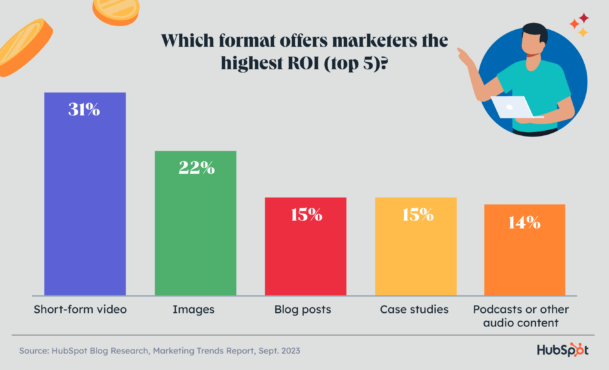
Content marketing also plays a pivotal role in building brand awareness and visibility. Increase your online presence by consistently publishing valuable content. Whether through search engine optimization (SEO) strategies to improve visibility on search engine results in pages or social media promotion to reach a wider audience, content marketing helps you expand your reach and attract new customers to your brand.
In today’s digital landscape, you have many channels to distribute content and reach your target audience. From blogging platforms and social media networks to email newsletters and video-sharing platforms, you can leverage various channels to connect with your audience meaningfully. By diversifying your content distribution channels, you can maximize your reach and engagement and adapt to the evolving preferences of your audience.
As with any marketing strategy, it’s essential to measure the success of your content marketing efforts and iterate based on the results. By tracking key metrics such as website traffic, engagement rates, conversion rates, and customer feedback, you can gain valuable insights into the effectiveness of your content marketing strategy. From there, you can identify areas for improvement, refine your approach, and optimize your content to better resonate with your audience. Web traffic is among the top two most common measurements of success for content marketing strategies.
Content marketing isn’t just about engagement; it’s also about driving high-quality leads with a higher conversion rate. By addressing your audience’s pain points and providing valuable solutions, you position our brand as a trusted authority in your industry. Over 41% of marketers measure the success of their content marketing strategy through sales. Nurturing leads through personalized content and meaningful interactions can drive conversions and boost revenue.
Nearly 40% of marketers say content marketing is an integral part of their overall marketing strategy, and 50% plan to increase their investment in content marketing in 2024. In conclusion, embrace content marketing as a strategic tool to build meaningful connections with your audience and drive business growth. By understanding your audience, crafting a compelling content strategy, leveraging multiple channels, and staying consistent, you can unlock the full potential of content marketing and achieve your business objectives in the digital landscape.
